Virginia Pro Locksmiths Service Team
Local locksmith team
May 29, 2026 12 min read
Your front door takes a beating every single day — slammed in summer humidity, tugged against a swollen frame in winter, and worked by everyone from kids to delivery drivers. Most Virginia Beach homeowners don't give their door knob lock a second thought until something goes wrong at the worst possible moment: late at night, in the middle of a storm, or right before leaving for work. The truth is, most failing locks telegraph their problems well in advance — if you know what to look for.
This guide walks you through five clear warning signs that your door knob with lock and key is nearing the end of its useful life, what each symptom usually means mechanically, and when it's smarter to call a professional than to push through with a failing lock. We'll also cover mortise lock situations, since many Virginia Beach homes — especially older properties near the Oceanfront and in the Ghent-adjacent neighborhoods of Chesapeake — use mortise-style hardware that has its own set of wear patterns. Read on before a small problem becomes an emergency.
## Sign 1: Your Key Sticks, Jams, or Requires Heavy Force to Turn
A key that used to glide in and now requires jiggling, lifting, or a firm yank is one of the earliest and most reliable warning signs of a failing door knob lock. Inside the lock cylinder, a series of spring-loaded pins align with the cuts on your key and allow the plug to rotate. When those springs weaken, when pins become worn, or when the cylinder accumulates years of dust, humidity, and salt air — a real issue in coastal Virginia Beach — that smooth rotation degrades. You may first notice it only in cold weather or on humid summer mornings, but over time the problem becomes consistent.
Don't mistake this for a key problem. If a freshly cut key does the same thing, the cylinder is the culprit. Spraying lubricant into the keyway can offer temporary relief, but it also attracts more grit over time. A trained locksmith can inspect whether the cylinder simply needs re-pinning and cleaning — a far less invasive fix than full replacement — or whether the internal wear is significant enough to justify swapping out the entire knob lock. Catching this early prevents the worst-case outcome: a key that snaps off inside the cylinder, which turns a minor inconvenience into an immediate service call.
## Sign 2: The Knob Feels Loose, Wobbly, or Spins Without Latching
A door knob that wobbles on its spindle or spins freely without engaging the latch is more than annoying — it's a security vulnerability. The spindle connects the two knob halves through the door and operates the latch mechanism. When the set screws loosen, when the spindle wears down from repeated use, or when the rose plate separating the knob from the door face becomes compromised, the entire assembly loses its mechanical integrity. A loose door knob with lock is one that can sometimes be manipulated by hand pressure alone, bypassing the key entirely.
Homeowners often try to tighten the visible screws themselves, and sometimes that works — briefly. But if the wobble returns within days or the knob intermittently fails to retract the latch, the internal spindle or the latch assembly itself is likely damaged. This is especially common on doors that see heavy daily traffic, like a side entry or a garage door leading into the kitchen. At this point, a professional assessment will tell you whether you're dealing with a fastener issue, a worn spindle, or a latch that needs full replacement. Either way, it's not something to postpone, particularly on an exterior door.
## Sign 3: The Lock No Longer Lines Up — Latch Misalignment and Strike Plate Issues
If your door knob lock works fine in isolation but the latch doesn't seat cleanly into the strike plate — or you have to lift the door handle to get the bolt to catch — your lock isn't necessarily failing, but your door system is. Over time, Virginia Beach homes experience seasonal wood movement driven by the region's humidity swings between July and January. Door frames shift, settle, and expand, pulling the strike plate out of alignment with the latch. The result feels like a stubborn or unpredictable lock, even when the hardware itself is in good shape.
Left unaddressed, misalignment puts constant lateral stress on the latch bolt and the internal mechanism every time the door closes. That stress accelerates internal wear in a lock that might otherwise have years of life left. A skilled locksmith can diagnose whether the issue is the door, the frame, or the lock hardware itself. In some cases, repositioning the strike plate by a few millimeters and deepening the mortise in the door jamb resolves the problem completely. In others — particularly where the door frame has significantly shifted — the lock or the entire door knob with lock assembly may need repositioning or replacement to restore a proper fit and reliable security.
## Sign 4: Visible Rust, Corrosion, or Physical Damage to the Lock Body
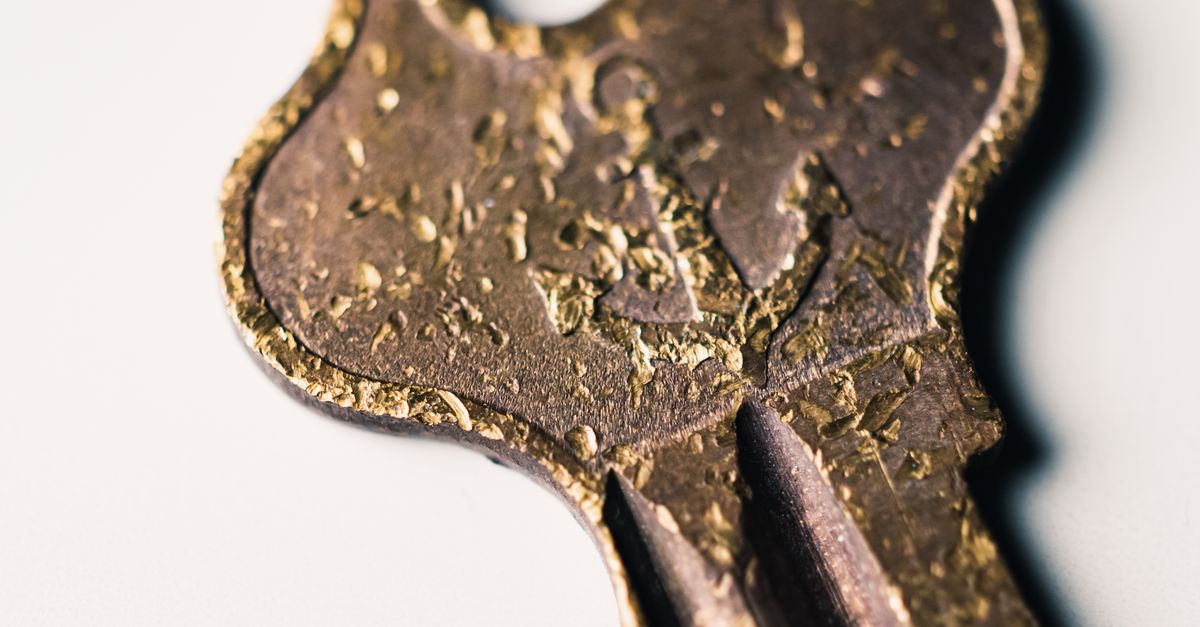
Virginia Beach's coastal climate is genuinely hard on exterior hardware. Salt air accelerates oxidation, and a lock knob that shows surface rust, pitting, or flaking finish isn't just cosmetic — the corrosion works its way into the internal mechanism over time, stiffening the cylinder, degrading the springs, and eventually seizing the lock entirely. If you notice rust or discoloration around the keyway, on the face of the knob, or around the latch faceplate, treat it as a functional warning rather than an aesthetic one. The same applies to any lock that has taken physical impact — a forced entry attempt, a door slammed into a wall, or a renovation that left the hardware exposed to moisture or drywall dust.
This is also the moment to consider upgrading to hardware rated for coastal environments. Solid brass, stainless steel, and specifically marine-grade knob locks hold up significantly better against salt air than standard zinc or chrome-plated options. Brands like Schlage and Kwikset both offer higher-corrosion-resistance lines suitable for Virginia Beach exterior doors. When a professional replaces your lock, they can advise on the right grade of hardware for your specific exposure level — a door facing the ocean breeze needs different hardware than an interior bedroom door knob with lock. Speaking of which, if the damaged lock is on a mortise lock door — common in older Virginia Beach craftsman and colonial-style homes — a direct knob swap won't work. Mortise locks require a locksmith experienced with that specific format to ensure the replacement integrates correctly with the door's internal pocket.
If you're dealing with a lock that has suffered sudden damage or you're locked out entirely, don't wait. Call (757) 290-8384 — Virginia Pro Locksmiths answers 24/7 and can reach most Virginia Beach neighborhoods, from Shore Drive to Princess Anne, within a short response window.
## Sign 5: You've Lost Track of Who Has a Key — Or You've Recently Moved In
This one is behavioral rather than mechanical, but it's just as important. If you've moved into a Virginia Beach home and haven't changed the locks, you have no reliable way to know how many copies of your key exist or who holds them. Previous owners, real estate agents, contractors, and neighbors may all have working keys to your current home. A lock door knob that functions perfectly is still a security risk if the key history is unknown. The same logic applies after a breakup, a tenant move-out, a lost key, or the departure of a household employee.
Rekeying — where a locksmith reconfigures the existing cylinder to accept a new key — is often the most practical and cost-effective solution in these situations. It preserves your existing hardware while eliminating access for anyone holding an old key. Full replacement makes more sense when the hardware is already worn, outdated, or being upgraded across the whole property. Either way, this is a decision worth making deliberately rather than discovering the gap after an unwanted entry. A qualified locksmith can assess your existing locks, discuss your household's access needs, and recommend whether rekeying, replacement, or a combination of both is the right call for your specific doors.
## When a Knob Lock Isn't Enough: Mortise Lock Upgrades and Full Security Assessments
Standard door knob locks — the kind found on most residential interior and entry doors — provide a baseline level of security, but they have real limitations. A single-cylinder knob lock on an exterior door, without a deadbolt, is generally considered insufficient for front or back entry points by most security professionals. If you're relying on a knob lock alone on an exterior door, that's worth addressing regardless of the lock's current condition.
Mortise locks represent a significant step up in both security and durability. Rather than sitting in a drilled hole in the door edge, a mortise lock is recessed into a pocket cut into the door itself, with a longer internal mechanism that integrates the latch, deadbolt, and sometimes even a strike reinforcement plate in a single assembly. They're harder to kick in, more resistant to shimming, and — when properly installed — significantly more robust than cylindrical knob locks. Many Virginia Beach commercial properties along the Virginia Beach Boulevard corridor and Hilltop area use mortise locks as standard. Homeowners with older doors already routed for mortise hardware, or those wanting maximum security on a primary entry, should ask a locksmith specifically about mortise lock installation as part of any lock upgrade conversation.
Beyond locks themselves, a comprehensive security assessment can also identify weak points in your door frame, hinge placement, and strike plate depth — all factors that affect how much a lock actually protects you regardless of its quality. Virginia Pro Locksmiths offers security evaluations as part of our residential locksmith services. Ready to get a clear picture of where your home stands? Call (757) 290-8384 any time — we're available around the clock.
## Virginia Pro Locksmiths: What We Handle Every Day in Virginia Beach
We're a fully mobile, 24/7 locksmith service based in Virginia Beach and serving the surrounding Hampton Roads area. Here is a specific list of services our experienced team provides: residential lock replacement, residential lock rekeying, mortise lock installation and repair, deadbolt installation, door knob lock repair, emergency lockout service for homes, emergency lockout service for businesses, commercial lock replacement, commercial lock rekeying, commercial-grade mortise lock installation, master key system setup, high-security lock upgrades, access control consultation, sliding door lock repair, garage side door lock replacement, vehicle lockout service, car key cutting by code, transponder key programming, laser-cut key duplication, vehicle key fob replacement and programming, copy vehicle key service (including smart keys), push-to-start key fob setup, broken key extraction from ignition or door, ignition cylinder repair and replacement, lock cylinder re-pinning, safe opening and combination changes, padlock removal and replacement, window lock installation, security assessment and door reinforcement consultation, and after-hours emergency locksmith response across Virginia Beach and neighboring cities. Whether the issue is a worn residential knob lock, a commercial mortise lock malfunction, or a vehicle lockout at 2 a.m. near the Oceanfront, our team is equipped and ready.
Frequently asked questions
What should I ask a locksmith before hiring them?+
Before any work begins, ask whether the locksmith will confirm the final price upfront before starting, whether they carry insurance, how long they've been working in the area, and whether they're experienced with your specific type of lock — especially if you have a mortise lock or a smart lock system. A reputable locksmith will answer all of these questions clearly and without pressure. At Virginia Pro Locksmiths, we provide an exact quote before any work starts. The factors that shape that quote include the type of lock or vehicle involved, the complexity of the job, the time of day, travel distance, and whether parts or new hardware are needed. You'll always know the number before we pick up a tool.
What does an emergency locksmith cost, and is there a call-out fee?+
Emergency locksmith pricing depends on several variables: the type of lock or vehicle, the time of day (overnight and weekend calls involve different logistics), travel distance to your location, and what parts or hardware the job requires. Some locksmiths charge a separate call-out or dispatch fee on top of the labor; others roll everything into a single job price. At Virginia Pro Locksmiths, we're transparent about how your quote is built — we confirm an exact price before beginning any work so there are no surprises. The best approach is always to ask for a clear, all-in price before giving the go-ahead.
What locks can locksmiths not open?+
A trained locksmith can open the vast majority of residential and commercial locks, including standard door knob locks, deadbolts, mortise locks, padlocks, and most vehicle locks. Some high-security locks — certain biometric safes, specialized government-grade hardware, or locks with deliberately destructive defeat mechanisms — may require manufacturer involvement or specific specialized tools beyond standard field equipment. That said, a locksmith's ability to open a lock does not mean they will do so without verifying ownership. Any legitimate locksmith will ask for proof of residence or ownership before performing lockout service. If someone claims they can open any lock, anywhere, with no questions asked, that's a red flag.
What does 'pop a lock' mean, and is it safe?+
'Pop a lock' is an informal term for using a slim jim, air wedge, or similar tool to open a vehicle door without the key — typically used in vehicle lockout situations. It refers specifically to car lockouts, not residential doors. When performed by a trained professional using proper equipment, it's a legitimate and safe service that avoids damage to the vehicle's door seals and locking mechanism. When attempted by an untrained person using improvised tools, it frequently damages the weather stripping, wiring, or the lock linkage inside the door. If you're locked out of your vehicle anywhere in the Virginia Beach area, calling a professional is always the right call — it's faster, safer for your car, and avoids the liability of an amateur attempt.